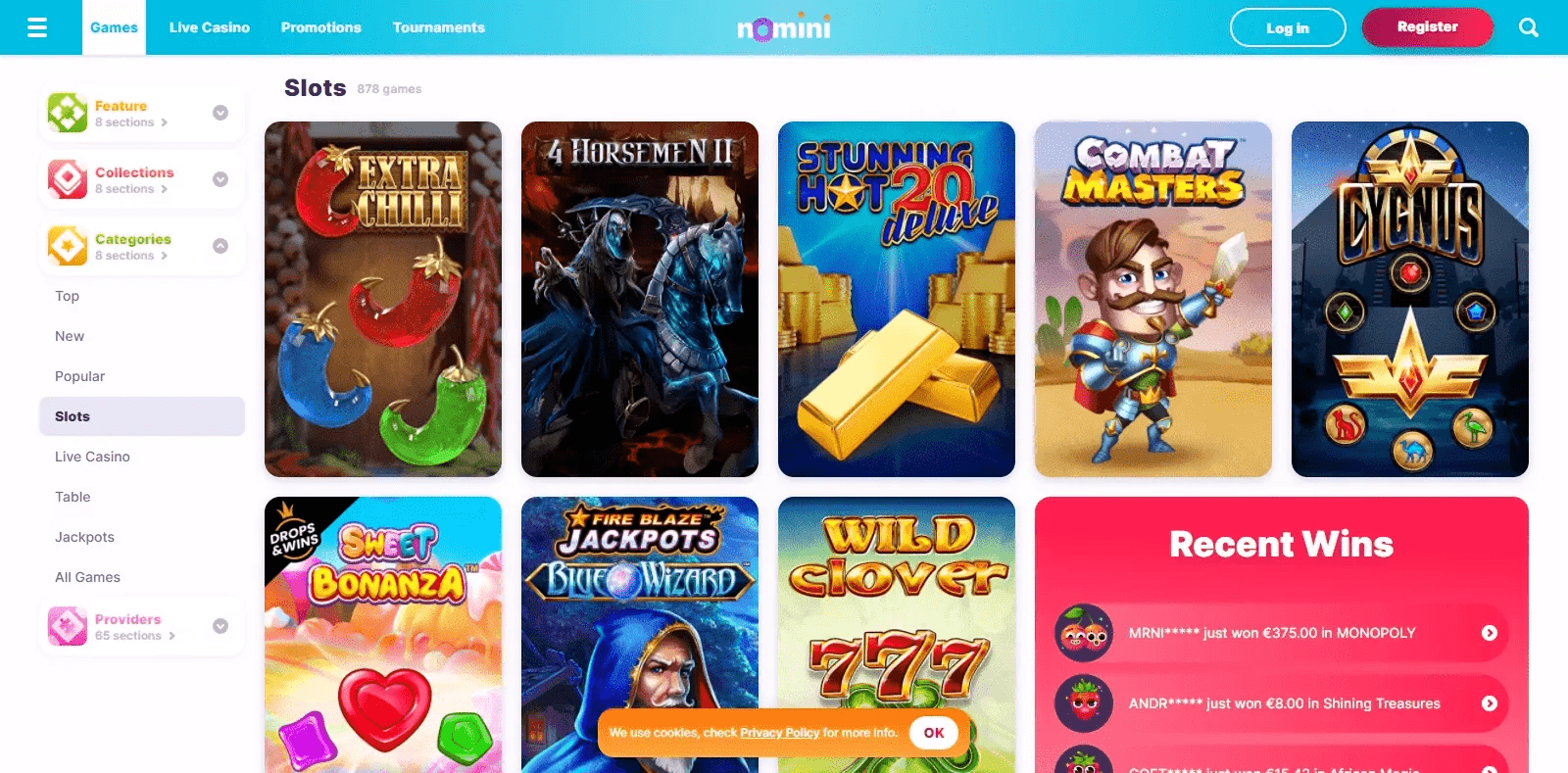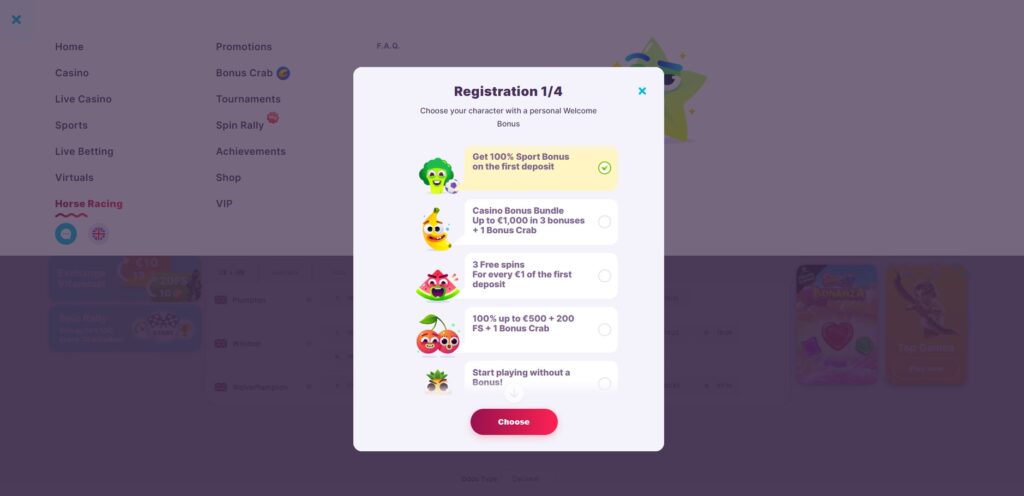
When I first approach a casino platform such as nominicasino sign in page, the login screen is more than a mere formality; it is a carefully engineered entry point that harmonizes convenience, identity verification, and account security. I carefully consider the options available because each one reflects a different trade-off between ease of access and the strength of protection it offers. In a typical UK-facing casino, I will typically see everything from a classic email and password combination to more advanced methods like biometric scanning and two-factor authentication. The login system also needs to function in harmony with the site’s registration and verification processes, guaranteeing that I am who I claim to be before I can deposit, play, or withdraw winnings. As I explain these processes, I emphasise that the choice of login option is not arbitrary; it is shaped by regulatory requirements, data protection standards, and the usability expectations of modern players. Knowing how each method functions helps me choose wisely about my own account safety and minimizes the hassle I might feel when interacting with the platform.
Identity Verification and Safety Checks at the Authentication Step
Even after I effectively authenticate, the login process on a regulated UK casino platform often activates additional verification steps that are connected with licensing and anti-money laundering requirements. I might be prompted to complete a Know Your Customer check before I can deposit or withdraw, and this can entail uploading a photo ID, a recent utility bill, and sometimes a selfie for identity verification. While these checks are more typically associated with the registration phase, I have seen them integrated into the login flow when a previously verified account flags a risk indicator, such as a change in device or location. The system uses geolocation data, device fingerprinting, and behavioural analysis to ascertain whether my login attempt fits my established pattern. If I suddenly log in from a different country or use an unrecognised browser, the platform may temporarily constrain account functions and prompt me to re-verify my identity. This might feel intrusive, but I recognise that it is a safeguard designed to protect both my funds and the casino’s compliance obligations. The verification process is typically automated and can be completed within minutes if I have my documents ready. Once verified, the system updates my account status and allows full access. I also receive notifications about any unusual login activity, which gives me the chance to react quickly if I suspect unauthorised access. These layered checks, while sometimes inconvenient, show the seriousness with which reputable casinos treat security and regulatory compliance.
Suspicious Activity Surveillance and Lockout Protocols
Behind the scenes, the login system continuously watches for patterns that indicate credential stuffing, brute-force attacks, or account sharing. I may not see these mechanisms directly, but they are vital to preserving the integrity of my account. If the system detects a rapid sequence of failed login attempts from a single IP address, it will typically apply a temporary lockout that lasts for several minutes. This delay is designed to slow down automated attacks to the point where they become unworkable. In more severe cases, such as a large number of attempts from a geographically distributed set of IPs, the platform may block the account entirely and ask me to contact customer support and provide additional proof of identity. I also benefit from device fingerprinting, which creates a unique identifier based on my browser characteristics, installed fonts, and screen resolution. If a login request comes from a device that does not match the fingerprints I have used before, the system can mark it for step-up authentication. Some casinos even dispatch me an email or push notification asking me to confirm the login attempt. I find this level of monitoring comforting because it means that even if my password were compromised, the attacker would face multiple additional hurdles before gaining access. All of these defensive layers work together to create a login environment that is both strong and reactive to emerging threats.
I have walked through the whole spectrum of casino login options, spanning the time-tested email and password model through the advanced convenience of biometric authentication. Each method holds its own security profile, and I note that the most effective approach is to combine several layers rather than depending on a single barrier. A strong, unique password creates the foundation, while phone-based verification, authenticator apps, and biometric locks offer resilience against targeted attacks. Behind the visible options, session management, encryption, and continuous monitoring quietly protect my account without requiring my active participation. I recognise that the login experience is not just about entering credentials; it is a precisely orchestrated sequence of checks that validates my identity and maintains the trust that underpins my relationship with the platform. By comprehending how these mechanisms work and selecting the combination that matches my risk tolerance, I can enjoy my time at the casino knowing that my account is well defended. The login page is the initial line of defence, and devoting a few moments to set it up properly is one of the greatest investments I can make in my online safety.
Biometric Login Methods and Device-Level Authentication
I have noticed that casino platforms are increasingly supporting biometric login, especially on mobile devices where fingerprint scanners and facial recognition hardware are today standard. In this model, I do not immediately authenticate with the casino server using my fingerprint; rather, the casino app links with the device’s built-in biometric system. When I seek to log in, the app asks for a biometric check, and the operating system validates my identity locally. If the check succeeds, the device provides a stored authentication token to the app, which then connects with the casino server. This signifies my biometric data not at all leaves my phone, and the casino never has access to my fingerprint or face map. From my viewpoint, the experience is smooth: I put my thumb on the sensor or look at the camera, and the app opens directly to my account. The security of this method relies heavily on the reliability of the device’s biometric subsystem, which is engineered to be resistant to spoofing using photographs or lifted fingerprints. I view biometric login highly convenient for everyday use, but I also appreciate its limitations. For example, if I am in a circumstance where my face is obscured or my fingers are wet, the sensor may malfunction, and I must have a fallback method such as a PIN or password. Biometric login is therefore best seen as a complement to, rather than a complete replacement for, other authentication factors.
Email and Password Combinations: The Traditional Foundation
Notwithstanding the increasing adoption of alternative login methods, the email and password combination stays the bedrock of casino account access. When I create an account at Nomini Casino, I provide a valid email address that becomes my primary identifier, and I select a password that must meet certain complexity requirements. The login process itself is uncomplicated: I input my email and password, the system encrypts the password and compares it with the stored hash, and if they match, I am granted access. What I find important to understand is that the security of this method hinges largely on how I manage my credentials. If I employ a password that has been exposed in a data breach elsewhere, my casino account becomes vulnerable irrespective of the platform’s own security measures. This is why I always emphasise the importance of unique, long passphrases that include a mix of character types. The casino typically imposes minimum length and complexity rules, but the ultimate responsibility falls on me. I also notice that the login form is almost always protected by TLS encryption, which guarantees that my email and password are transmitted over a secure channel and cannot be intercepted in transit. Even so, the email and password model has a single point of failure: if someone gets hold of my password through phishing or malware, they can impersonate me completely. This limitation is precisely why the industry has been moving toward supplementary authentication factors, but I still view the classic combination a reliable starting point when used with proper password hygiene.
Password Strength and Account Hygiene
When I examine the strength of my casino password, I consider more than the bare minimum requirements. A password that is simply eight characters long with one uppercase letter and one digit may fulfill the platform’s rules, but it can still be compromised in minutes using modern hardware if the database hash is ever leaked. I therefore opt for passphrases that are easy for me to remember but impossibly difficult for an attacker to guess. I also avoid using personal information such as my name, date of birth, or favourite football team, as these details are often publicly available or easily guessed. Many casinos now incorporate password strength meters that give me real-time feedback during registration, and I consider those meters as a helpful guide rather than a definitive verdict. In addition to creating a strong password, I practice good account hygiene by never sharing my credentials and by changing my password promptly if I detect any unusual activity. The platform may also encourage me to update my password periodically, but I think that forced rotation without evidence of compromise can sometimes lead to weaker passwords if I become frustrated. Instead, I rely on using a password manager to generate and store unique credentials for each casino I join. This approach relieves me from the mental burden of remembering dozens of complex passwords while maintaining a high security baseline.
Recovering Access When Passwords Are Lost
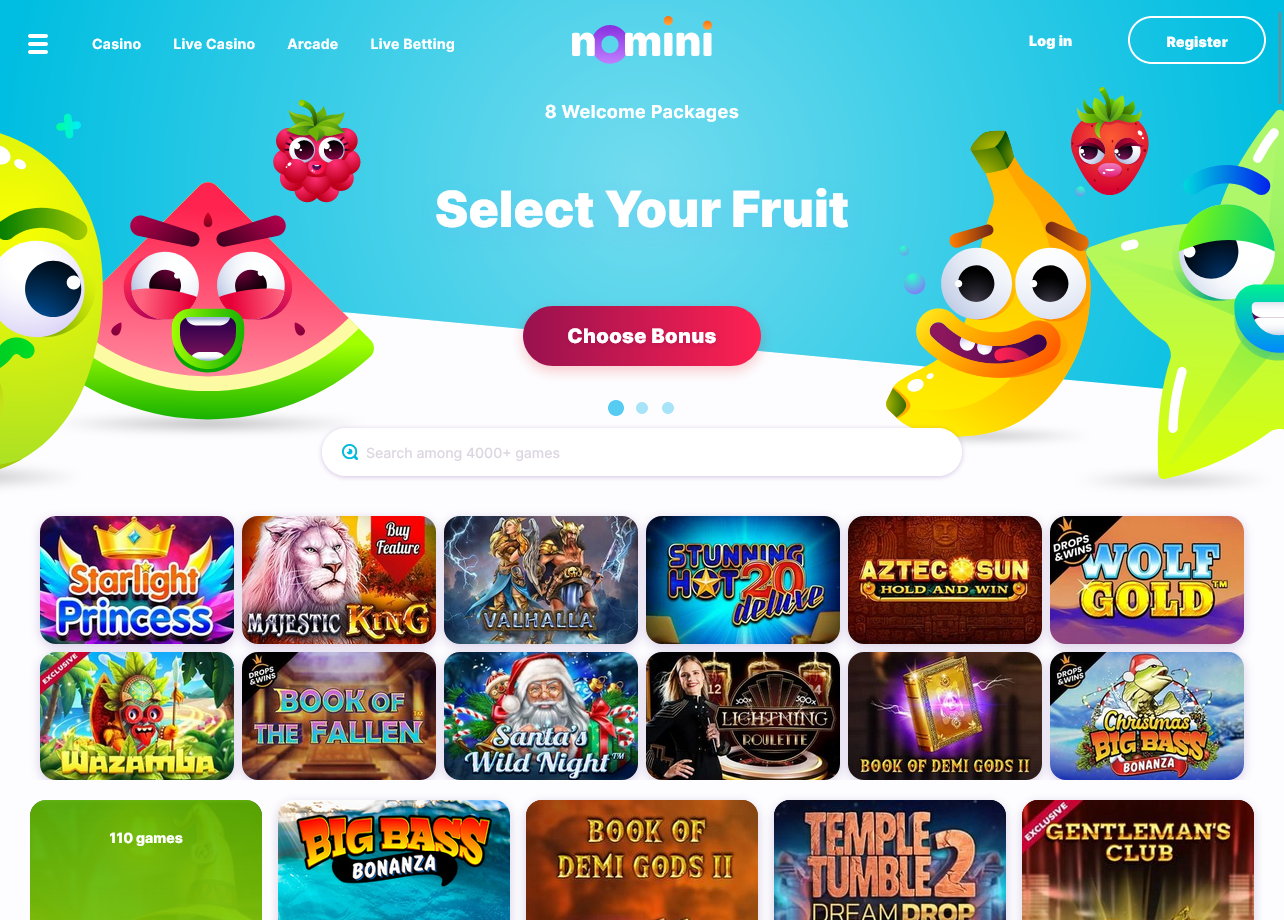
Even the most cautious player can lose a password, and I regard the recovery process a essential part of the login experience. When I click the “Forgot Password” link on a casino site, the system usually sends a password reset link to the email address connected to my account. I then have a limited window, usually between ten and thirty minutes, to click that link and create a new password. This time limit is a security feature that stops old reset links from being used if they are found later. The reset link itself is a single-use token, indicating that once I use it, it becomes invalid. I value that the platform does not reveal whether an email address is registered in its system, as this approach stops attackers from enumerating valid accounts. The email I receive should invariably originate from the official domain, and I verify the sender address carefully to avoid phishing scams that simulate legitimate casino communications. After I set a new password, the system often demands me to log in with the fresh credentials, and some platforms will also prompt me to re-verify my identity if I have not accessed the account for an extended period. This entire flow is designed to balance self-service convenience with the need to prevent unauthorised password changes, and I discover that a well-designed recovery mechanism considerably reduces the frustration of being locked out.
Social Platforms and Unified Login Integration
An progressively widespread login method I encounter on modern casino sites is the ability to sign in using an current social media or platform account, such as Google, Facebook, or Apple. This method, called single sign-on, permits me to skip the setup of a dedicated casino-specific password entirely. When I select the “Sign in with Google” button, for example, I am redirected to a Google authentication page where I confirm the login request. Google then transmits a token return to the casino, validating that I have effectively authenticated without ever sharing my Google password with the casino. This token includes basic profile information that the casino uses to set up or associate my account. From a security viewpoint, I benefit from the solid authentication system of the social provider, which frequently incorporates cutting-edge threat detection, machine learning-based anomaly detection, and the choice to use hardware security keys. The casino, in turn, decreases its own responsibility by not storing a password hash for my account. Nonetheless, I must be mindful that this establishes a dependence on the social platform. If my Google account is hacked, an attacker could possibly enter my casino account as also. I thus treat the security of my linked social account with the same level of care I would employ to a standalone casino password. I also check the privacy permissions I give during the first login, ensuring that the casino only receives the least information required to create my profile.
Phone Number Verification and Text Message Verification
I have observed that many UK casinos, including Nomini Casino, present the possibility to connect a mobile phone number to the account and use it as part of the login process. This approach typically entails sending a one-time verification code via SMS that I must input alongside or in place of a password. The fundamental principle is that access necessitates something I know, such as a password, and something I have, which in this case is my mobile phone. When I log in, the system creates a short numeric code that is valid for only a few minutes and sends it to the number I registered. I then enter that code into the login form, and the server checks it against the code it generated and stored temporarily. This method provides a layer of security because an attacker would need both my password and physical possession of my SIM card to gain entry. However, I remain conscious of the vulnerabilities associated with SMS, particularly SIM swapping attacks where a fraudster convinces my mobile carrier to transfer my number to a new SIM card. While this risk is relatively low for the average player, I still evaluate it when evaluating the overall security posture. On the convenience side, SMS-based login can be more rapid than remembering a complex password, and it serves as a useful fallback if I am unable to access my email. I also appreciate that the casino will often use the same phone number for important account notifications, such as withdrawal confirmations, which forms a unified communication channel.
Configuring and Employing SMS Login Protectedly
When I choose to activate SMS login on a casino account, I follow a few practical steps to guarantee the setup is as protected as possible. First, I check that the phone number I supply is one I control exclusively and that my mobile account is secured with a strong PIN or password that I alone am aware of. I also turn on any supplementary security features my carrier offers, such as port freeze or SIM lock, which cause it more difficult for someone to transfer my number without my explicit consent. During the linking process, the casino transmits a verification code to my phone, and I input it on the site to validate that the number is active and in my ownership. Once the number is linked, I can commonly select whether to employ SMS as a principal login method or as a second factor alongside a password. I favor the latter model because it blends two independent factors. I also take a mental note that SMS codes are not encrypted end-to-end from the server to my handset; they pass through the mobile network’s signalling system, which has its own security protocols but is not resistant to interception in extremely targeted attacks. For many casual gaming scenarios, this extent of protection is sufficient, and the convenience of getting a code on the device I already have with me renders SMS authentication an attractive middle ground between straightforwardness and security.
Comprehending the Core Purpose of Casino Login Systems
Every time I analyze a casino login page, I remind myself that its primary function is to act as a digital identity checkpoint. The system needs to verify that the person attempting to gain access is the legitimate account holder, and it must do so without creating unnecessary friction that could send players away. From a technical perspective, the login interface functions as a front-end layer that connects with an authentication server. That server checks the credentials I submit against a securely stored record, but it never saves my plain-text password. Instead, the platform uses a cryptographic hash of my password, often combined with a unique salt value, so that even if the database were compromised, my actual password would remain unreadable. This hashing process is invisible to me, but it is a fundamental part of the trust I put in any casino operating under UK regulations. Beyond validating credentials, the login system also begins a session that is sustained through secure tokens, permitting me to navigate the lobby, make bets, and manage my funds without having to re-authenticate for every action. The session tokens are time-limited and encrypted, which signifies that even if someone intercepts my network traffic, they cannot hijack my session easily. I also value that the system monitors login attempts and can initiate temporary lockouts after a set number of failures, a feature meant to thwart brute-force attacks. All of these unseen layers work together to protect my account while allowing me to focus on the games rather than on security concerns.
Two-Factor Authentication and Enhanced Protection
When I need to add a considerable barrier against unauthorised access, I rely on two-factor authentication, commonly abbreviated as 2FA. This mechanism requires me to supply a second piece of evidence after my password, typically a time-based one-time password generated by an authenticator app such as Google Authenticator or Authy. The process works by sharing a secret key between the casino server and my authenticator app during the initial setup. Both sides then employ this key, along with the current time, to generate a six-digit code that changes every thirty seconds. When I log in, I enter my password first, and then I am requested for the current code from my app. The server independently computes the expected code and compares it with my entry. Because the codes are time-synchronised and never transmitted over the network in a predictable way, they are exceptionally difficult for an attacker to intercept or replicate, unlike SMS codes that travel through the mobile network. I find that authenticator-based 2FA offers a strong balance of security and usability, and I recommend it to anyone who regards their casino account protection seriously. Some platforms also provide the option to receive codes via email, but I regard this less secure because email accounts can be compromised using the same password that an attacker might already have. Ultimately, the presence of 2FA transforms the login process from a single-guard checkpoint into a layered defence that significantly diminishes the risk of account takeover.
One-Time Codes and Recovery Options
When I activate 2FA, I am always provided with a set of backup codes that I can utilize if I am locked out of my authenticator app or phone. These codes are generally eight to ten digits long and are meant for single use. I keep them in a safe place, such as a password manager or a printed copy kept in a safe place, because they are my fallback if my primary second factor becomes unavailable. The casino system regards each backup code as a valid second factor, but once a code is used, it is right away invalidated. I also see that many platforms will inform me via email whenever a backup code is used, which gives me an heads-up if someone else is attempting to bypass my 2FA. In addition to backup codes, some casinos allow me to mark a trusted device, such as my personal laptop, as a semi-permanent second factor. This indicates that after a successful 2FA login, the device is identified and I can skip the additional step for a set period. While this minimizes friction, I only enable it on devices that I control and that are protected by their own passwords or biometric locks. Should I ever suspect that my backup codes have been compromised, I can renew them from the security settings of my casino account, immediately invalidating the old set. This reversibility is a key feature that aids me maintain control over my account even when unexpected events happen.